Dressing Your Senses: A Seasonal Guide to Rotating Your Fragrance Wardrobe
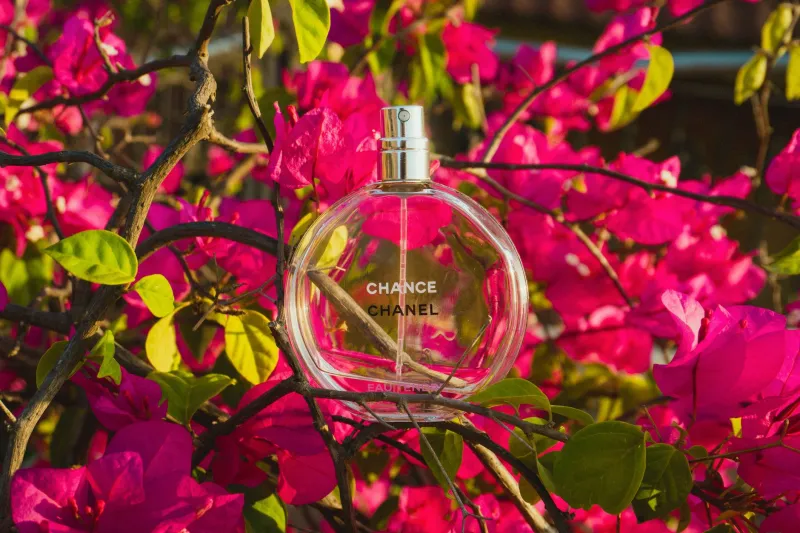
There is a reason your favorite autumn fragrance feels oddly out of place on a humid July afternoon in Charleston — and it has very little to do with personal preference. The relationship between fragrance and season is rooted in chemistry, climate, and the deeply human tendency to associate scent with memory and atmosphere. At The Fragrance Way, we believe that wearing the right scent at the right time of year is one of the most refined expressions of personal style. This guide will help you navigate your collection with intention, season by season.
Why Temperature Changes Everything
Before diving into specific recommendations, it is worth understanding the science at work. Fragrance molecules are volatile compounds — they evaporate and rise to meet the nose. Warmth accelerates this process dramatically. In summer heat, heavier compositions saturated with musks, resins, and woods can become overwhelming, projecting far more aggressively than the wearer intends. Conversely, in the cold, dry air of a New England winter, delicate florals and light citrus accords may seem to disappear entirely within minutes of application.
Humidity also plays a significant role. Moist air, common in the American South and along coastal regions during warmer months, actually helps fragrance linger on the skin — but it can amplify certain notes, particularly animalic or heavy oriental accords, to an unpleasant degree. Understanding these dynamics allows you to approach your collection not as a static set of bottles, but as a living wardrobe that breathes and shifts with the environment.
Spring: Embracing Freshness and Florals
As temperatures begin to climb from the forties into the sixties across much of the country, spring calls for fragrances that mirror the season's sense of renewal. This is the ideal moment to reach for green florals, soft chypres, and light aquatic compositions. Fragrance families to explore include:
- Fresh florals anchored by peony, magnolia, or lily of the valley
- Green accords featuring freshly cut grass, fig leaf, or violet leaf
- Soft chypres that balance oakmoss and bergamot with a powdery warmth
Spring's moderate temperatures are forgiving — neither amplifying nor suppressing — making this an excellent season to experiment with unfamiliar styles from your collection. If you have been sitting on a sample of something floral and feminine or clean and unisex, now is the time to give it a proper audition.
Practical tip: Apply fragrance to pulse points such as the wrists and the base of the throat. In spring's mild climate, this placement provides ideal diffusion without the risk of overprojection.
Summer: Light, Citrus, and the Art of Restraint
American summers — particularly in cities like Miami, Houston, and Phoenix — demand a disciplined approach to fragrance. The combination of heat and perspiration creates a unique skin chemistry that interacts with perfume in unpredictable ways. This is the season to prioritize:
- Citrus-forward colognes built on bergamot, lemon, grapefruit, or yuzu
- Aquatic and marine accords that evoke cool water and sea air
- Light aromatic fougères featuring lavender and clean musks
Eau de Cologne and Eau de Toilette concentrations are your allies here. Their lower fragrance oil content means they project more subtly and dissipate more gracefully in high heat. Resist the temptation to over-apply in an effort to make them last — reapplication throughout the day is a far more elegant solution.
Summer is also an opportune time to explore the growing category of "skin scents" — minimalist, close-to-the-body compositions that enhance rather than announce. Brands such as Maison Margiela's Replica line and D.S. & Durga have built devoted followings among those who prefer their summer fragrance to function as a second skin rather than a statement.
Practical tip: Store fragrances away from bathroom humidity and direct sunlight during summer months. A cool, dark drawer or dedicated fragrance cabinet preserves the integrity of your collection far better than a vanity shelf.
Autumn: Depth, Warmth, and the Return of Complexity
Few seasonal transitions are as dramatically satisfying to a fragrance enthusiast as the arrival of fall. As temperatures drop and leaves begin to turn from Vermont to Colorado, the nose becomes newly receptive to richer, more layered compositions. This is the season to reacquaint yourself with:
- Woody orientals featuring sandalwood, vetiver, and cedarwood
- Spiced accords with cardamom, clove, cinnamon, or black pepper
- Leather and tobacco notes that carry a sense of sophistication and warmth
- Gourmand elements such as vanilla, tonka bean, and amber
Autumn's cooler air slows the evaporation of fragrance molecules, which means heavier compositions now perform as intended — unfolding gradually across the skin rather than erupting all at once. This is the season for Eau de Parfum concentrations and for wearing fragrances with genuine longevity.
Consider autumn a time of rediscovery. Before purchasing anything new, revisit the bottles at the back of your collection. That intense oud-and-rose composition that felt suffocating in August may reveal an entirely different character on a crisp October morning.
Practical tip: Apply richer autumn fragrances to clothing as well as skin — the fibers of a wool coat or cashmere scarf will hold and slowly release complex accords throughout the day in a uniquely beautiful way.
Winter: Boldness, Comfort, and Olfactory Architecture
Winter is the season for fragrance that commands attention. The cold air of a Chicago January or a Denver snowstorm suppresses volatility significantly, meaning that only the most potent, resinous, and dense compositions will project meaningfully. This is the moment to embrace:
- Heavy orientals and ambers anchored by labdanum, benzoin, and frankincense
- Balsamic and resinous accords featuring myrrh, opoponax, and elemi
- Rich musks with depth and staying power
- Incense-forward compositions that evoke warmth and ritual
Winter fragrance is, in many ways, the most architectural of the four seasons. A well-constructed oriental or resinous perfume can feel like a garment in itself — enveloping, protective, and deeply personal. This is also the season when statement fragrances earn their place. The bold, the unusual, and the deliberately provocative all find their most flattering context in cold-weather months.
Practical tip: In winter, consider applying fragrance to moisturized skin. A light, unscented body lotion applied before perfume creates a hydrated base that significantly extends longevity — a meaningful advantage when cold air works against diffusion.
Building a Seasonal Rotation Without Overextending
One of the most common misconceptions about seasonal fragrance rotation is that it requires a vast, ever-expanding collection. In reality, a thoughtfully assembled wardrobe of eight to twelve fragrances — two or three per season — is more than sufficient for most enthusiasts. The key is intentionality.
Begin by auditing your existing collection through a seasonal lens. Group your bottles by character rather than by brand or price point. Which compositions feel light and airy? Which feel dense and enveloping? This exercise alone often reveals that you already own more seasonal range than you realized.
For those who wish to explore new territory without significant financial commitment, the fragrance decant community — represented by platforms such as Scent Split and DecantX — offers an accessible way to test full-bottle candidates across multiple wearings before committing to a purchase.
The art of seasonal rotation is, ultimately, the art of paying attention — to the weather, to your own skin chemistry, and to the way a fragrance makes you feel when it is perfectly suited to its moment. That attentiveness is what separates a fragrance collection from a fragrance wardrobe, and it is the foundation of everything we celebrate here at The Fragrance Way.